
This article appeared in the Winter 2007 issue of Texoma Living!.
You can grow an astounding array of flowers, vegetables and herbs from seeds right here in Texomaland, if you just don’t let the instructions on the seed packets intimidate you.
“Start seeds indoors six weeks before first frost-free date,” they direct you. Balderdash!
I used to think I was supposed to do that—start seeds indoors. Eventually, I figured out those directions were not aimed at me. They’re meant for polar bears and penguins, people who garden in the far reaches of the north, like Pennsylvania and Vermont. The part that’s meant for me—and you and other Texoma gardeners—is the next part: “Or sow direct after danger of frost is past.”
In Texas, no one knows for sure when winter will be well and truly over. In Vermont, it’s probably sometime in June. But around here, gardeners can count on about 230 growing days a year, so by mid-March, most of us are ready to take the plunge. By then, those sunflower seeds can be planted right into their prepared beds in your yard, alongside the lettuce, radish, spinach, turnip, and mustard already sown there. In another week, you can add black-eyed peas and peppers of various kinds, as well as flowers without number.
Why think about planting flowers and vegetables now, in the Dead of Winter?
Because if you are going to grow that astounding array we spoke of, you are going to need seeds, and you’ll have to hit the stores in January and February to find the best selections. Wait until mid-March and all but the most exotic or esoteric varieties will have vanished from retail shelves. So, make a list now of the seeds you’ll want to buy and hoard until the time comes to lay them to rest in the warming soil—a list of vegetables and flowers that will grow readily from seeds planted in prepared beds.
By prepared, I mean weed and grass-free, soil turned to at least eight inches and amended with a good dose of compost, the surface smoothed with a rake, so seeds can get a purchase on the soil, and a good supply of moisture while they germinate and settle in.
If you decide you like the taste of fresh vegetables, think about planting a second time in late summer for a fall harvest.
What about tomatoes? Some people do, indeed grow tomatoes from seed, but to do so, they must start them indoors in January. That’s a whole different story. I buy my tomato plants as four-inch transplants in March or April.
If you love flowers, but cower at the thought of buying them in high-priced bedding containers, seeds are your answer. Some of the most beautiful and long-blooming annuals grow readily from the seeds you sow into prepared beds in your yard.
To everything there is a season, and a time to every purpose under heaven: A time to be born, and a time to die; a time to plant, and a time to pluck up that which is planted;
-Ecclesiastes 3:1-8
From The Holy Bible (King James Version)
Attributed to King Solomon
From October through December, sow these seeds for spring bloom: calendula, larkspur, petunia, poppy, and viola.
In March and April, sow these seeds for summer or fall bloom: celosia, cleome, cornflower, cosmos, gloriosa daisy, portulaca, marigold, and sunflowers of all kinds; for quick-growing flowering vines, choose cardinal climber, cypress vine, hyacinth bean, moonflower, or morning glory. For fragrant herbs, add various kinds of basil, African, Thai, Genovese, holy, and sweet.
Sow these vegetables from mid-March to mid-April for summer harvest and again in August (except corn): collards, corn, cucumbers, green beans, lima beans , Irish potatoes, mustard greens, parsley
Sow these vegetables from mid to late-April for summer harvest and again in July for fall production: basil, black-eye peas, eggplant, okra, peppers, pumpkin, squash, sweet potatoes
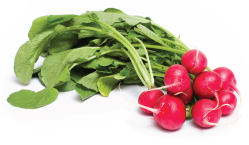
Sow these vegetables from February to early March for spring harvest and again from September through October for the fall garden: beets, broccoli, cabbage, carrots, chives, english peas, lettuce, onions, radishes, spinach, turnips